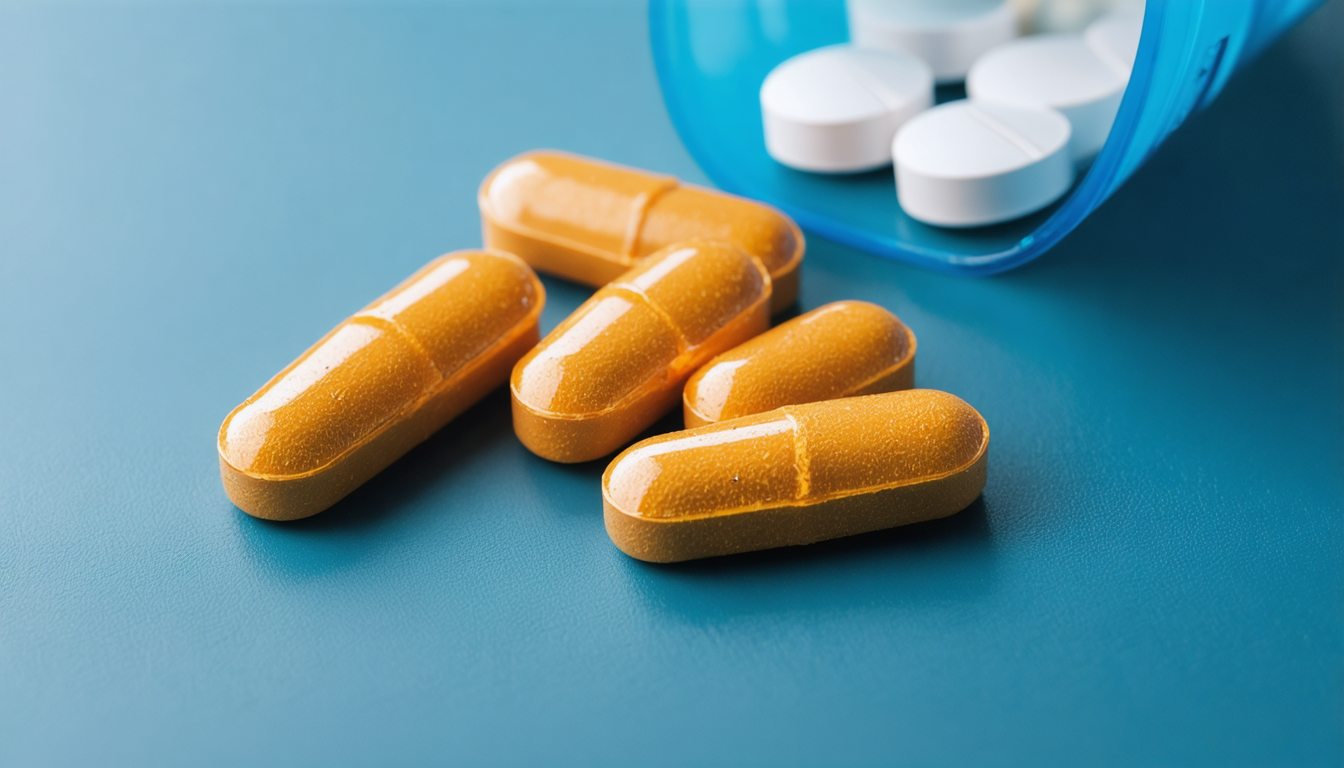
Performance enhancement drugs
Disclaimer: This self-check questionnaire is for educational purposes only. It does not provide a medical diagnosis. If you have concerns about your health, symptoms, or substance use, consult a qualified healthcare professional.
Performance enhancement drugs (PEDs) include substances used to improve physical strength, endurance, muscle mass, cognitive focus, or sexual performance. They may range from anabolic-androgenic steroids and stimulants to hormone-based therapies and so-called “natural boosters.” While some medications are prescribed for legitimate medical conditions, non-medical use can carry significant health risks.
Questionnaire
Review the questions below and check any that apply to you within the past 12 months:
- Have you used any substance specifically to improve muscle growth, athletic performance, focus, or sexual stamina without medical supervision?
- Have you increased the dose of a prescribed medication beyond what your doctor recommended?
- Have you experienced mood changes (irritability, aggression, anxiety, depression) after starting a performance-enhancing substance?
- Have you noticed physical changes such as acne, hair loss, breast tissue changes, voice deepening, or testicular shrinkage?
- Have you had unexplained chest pain, shortness of breath, palpitations, or high blood pressure?
- Have you experienced sleep disturbances, insomnia, or unusual fatigue?
- Have you observed liver-related symptoms such as yellowing of the skin/eyes, abdominal pain, or dark urine?
- Have you developed tolerance (needing more of the substance to achieve the same effect)?
- Have you tried to stop using a performance-enhancing drug and experienced withdrawal symptoms (low mood, low energy, cravings)?
- Do you combine performance enhancers with alcohol, energy drinks, or recreational drugs?
- Do you feel pressure from sports, work, gaming performance, or social environments (including online communities such as Computers, Games) to enhance your performance?
- Have you purchased substances from unverified online sources or informal markets?
- Are you under 18 and using supplements or hormones marketed for rapid growth or strength?
- Do you have a history of heart disease, liver disease, hormonal disorders, or mental health conditions?
- Has a coach, peer group, or online forum (see Public) encouraged use without discussing risks?
How to interpret answers
This checklist does not diagnose any condition. It helps you estimate whether seeking professional advice may be appropriate.
Low reason to seek help
- You answered “yes” to 1–2 questions.
- No significant physical or psychological symptoms.
- Use (if any) was brief and discontinued without effects.
What it means: Continue monitoring your health. Consider discussing supplement use during your next routine medical visit.
Medium reason to seek help
- You answered “yes” to 3–6 questions.
- Mild but persistent symptoms (mood shifts, sleep issues, blood pressure changes).
- Uncertainty about substance safety or source.
What it means: Schedule a non-urgent appointment with a healthcare professional for evaluation and lab testing if needed.
High reason to seek help
- You answered “yes” to more than 6 questions.
- You experience chest pain, severe mood swings, signs of liver issues, or withdrawal symptoms.
- You feel unable to stop using the substance.
What it means: Seek medical advice promptly. Urgent symptoms (e.g., chest pain, severe shortness of breath) require emergency care.
Next steps: what to do
- Document your use: Write down the substance name, dose, duration, and source.
- Track symptoms: Record mood, sleep, blood pressure readings, and physical changes weekly.
- Consult the right specialist: Primary care physician, sports medicine doctor, endocrinologist, cardiologist, or mental health professional depending on symptoms.
- Request appropriate tests: Blood pressure check, liver function tests, lipid profile, hormone levels, and ECG if recommended.
- Ask specific questions: What are the risks? Are there safer alternatives? How can I discontinue safely?
- Avoid abrupt cessation of certain substances without medical guidance, especially hormones or stimulants.
- Address underlying pressures: Body image concerns, competitive stress, or performance anxiety. Educational resources in our Uncategorized section may help explore related health topics.
Situation → urgency → action
| Situation | Urgency | Recommended Action |
|---|---|---|
| Mild acne or temporary sleep changes after supplement use | Low | Monitor symptoms; discuss at routine check-up |
| Elevated blood pressure or persistent mood changes | Moderate | Schedule doctor visit within 1–2 weeks |
| Signs of liver dysfunction (jaundice, abdominal pain) | High | Seek prompt medical evaluation |
| Chest pain, severe shortness of breath, fainting | Emergency | Call emergency services immediately |
| Dependence or withdrawal symptoms | High | Consult physician or addiction specialist |
FAQ
1. Are all performance enhancement drugs illegal?
No. Some substances (e.g., testosterone therapy) are legal when prescribed for medical conditions. Non-medical use may be illegal depending on jurisdiction.
2. Are “natural” supplements safer?
Not necessarily. Some over-the-counter products may contain undisclosed ingredients or stimulants. Quality control varies widely.
3. Can anabolic steroids affect mental health?
Yes. They may be associated with mood swings, aggression, depression, or anxiety in some individuals.
4. Do performance enhancers increase heart risk?
Certain substances can elevate blood pressure, alter cholesterol levels, and increase cardiovascular risk, especially with long-term use.
5. Is testosterone therapy the same as steroid abuse?
No. Medically supervised hormone replacement differs significantly from high-dose, non-medical anabolic steroid use.
6. How long do side effects last?
It depends on the substance, dose, duration, and individual factors. Some effects resolve after discontinuation; others may persist.
7. Should athletes be concerned about testing?
Yes. Many sports organizations ban specific substances. Unintentional ingestion through contaminated supplements is also possible.
8. Can performance drugs affect fertility?
Some anabolic steroids and hormonal agents can suppress natural hormone production and impair fertility.
Sources
- World Health Organization (WHO) – Substance use and health information
- National Institute on Drug Abuse (NIDA) – Anabolic Steroids and Other Appearance and Performance Enhancing Drugs (APEDs)
- U.S. Food and Drug Administration (FDA) – Medication and supplement safety communications
- Endocrine Society Clinical Practice Guidelines
- American Heart Association – Cardiovascular effects of performance-enhancing substances